Intraocular pressure
A risk factor and a treatment target. Single measurements are less useful than trends and context such as corneal thickness and time of day.
A clear guide to glaucoma monitoring: which tests matter, why trends beat snapshots, and how treatment decisions are usually made.
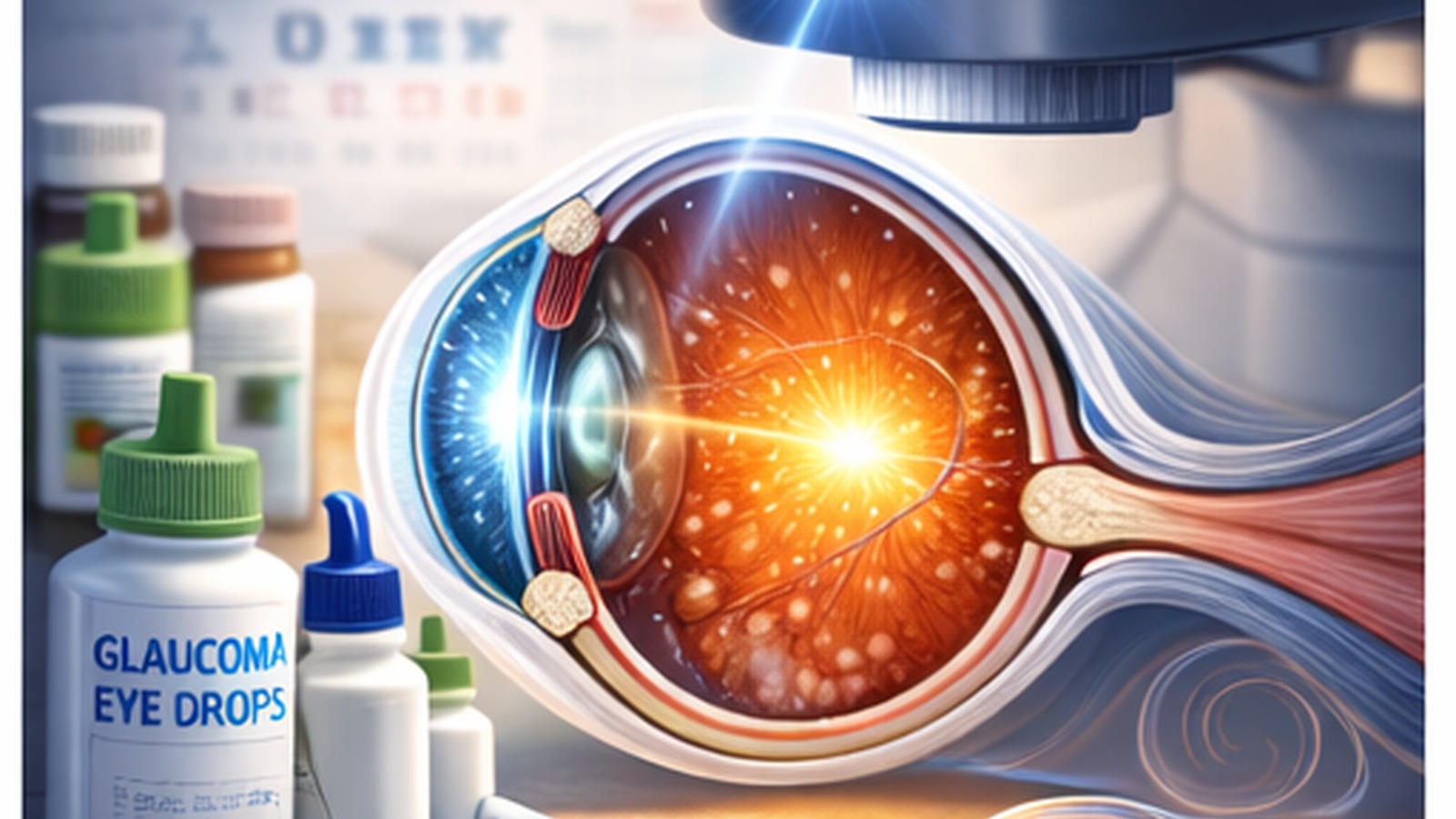
It is often silent until late, and it is managed by measuring change over time.
Glaucoma is a group of diseases characterized by progressive damage to the optic nerve and corresponding visual field loss. Many people have no symptoms early because central vision can remain good while peripheral field gradually narrows. That is why testing and monitoring are the core of glaucoma care.
Glaucoma is often associated with elevated intraocular pressure, but pressure is not the whole story. Some people develop damage at normal pressures. Others tolerate higher pressures without measurable loss. This is why clinicians focus on target pressure, meaning a pressure low enough to slow progression for your risk profile.
Pressure is one input. Structure and function are the outcomes.
A risk factor and a treatment target. Single measurements are less useful than trends and context such as corneal thickness and time of day.
OCT imaging measures nerve fiber layers and ganglion cell complexes. The goal is detecting thinning over time, not chasing a single scan result.
Visual field tests measure functional sensitivity. They can be noisy, so patterns and repeatability matter. Trend analysis is often the most useful view.
Most plans are built around progression risk and evidence of change.
Glaucoma management is usually a set of decisions about risk. Is this ocular hypertension or true glaucoma? Is there evidence of structural or functional change? How fast is the change occurring? What pressure range is likely to slow it? The answers drive whether treatment is recommended now and how aggressive the plan should be.
Most treatment focuses on lowering pressure using drops, laser, or procedures.
The most common first line treatment is eye drops that lower pressure by reducing fluid production or improving outflow. Laser procedures such as selective laser trabeculoplasty can be used early or as an alternative to adding more drops. Surgical options range from minimally invasive glaucoma surgery, often combined with cataract surgery, to more traditional procedures for advanced cases.
Most glaucoma is painless, but there is an acute emergency pattern that is different.
Typical chronic glaucoma is not painful. A sudden painful red eye with nausea and halos around lights can represent acute angle closure, which is an emergency. That presentation should be evaluated urgently.
These clarify diagnosis, target pressure, and what is being monitored.