1) Optical filtering
Macular pigment can absorb some wavelengths of light before they reach sensitive photoreceptors. The marketing version says “blue light protection.” The clinical version asks whether that meaningfully changes risk or function.
A clear guide to macular pigment nutrients: what they do, what outcomes they’re associated with, where claims overreach, and how to decide with your actual risk in mind.
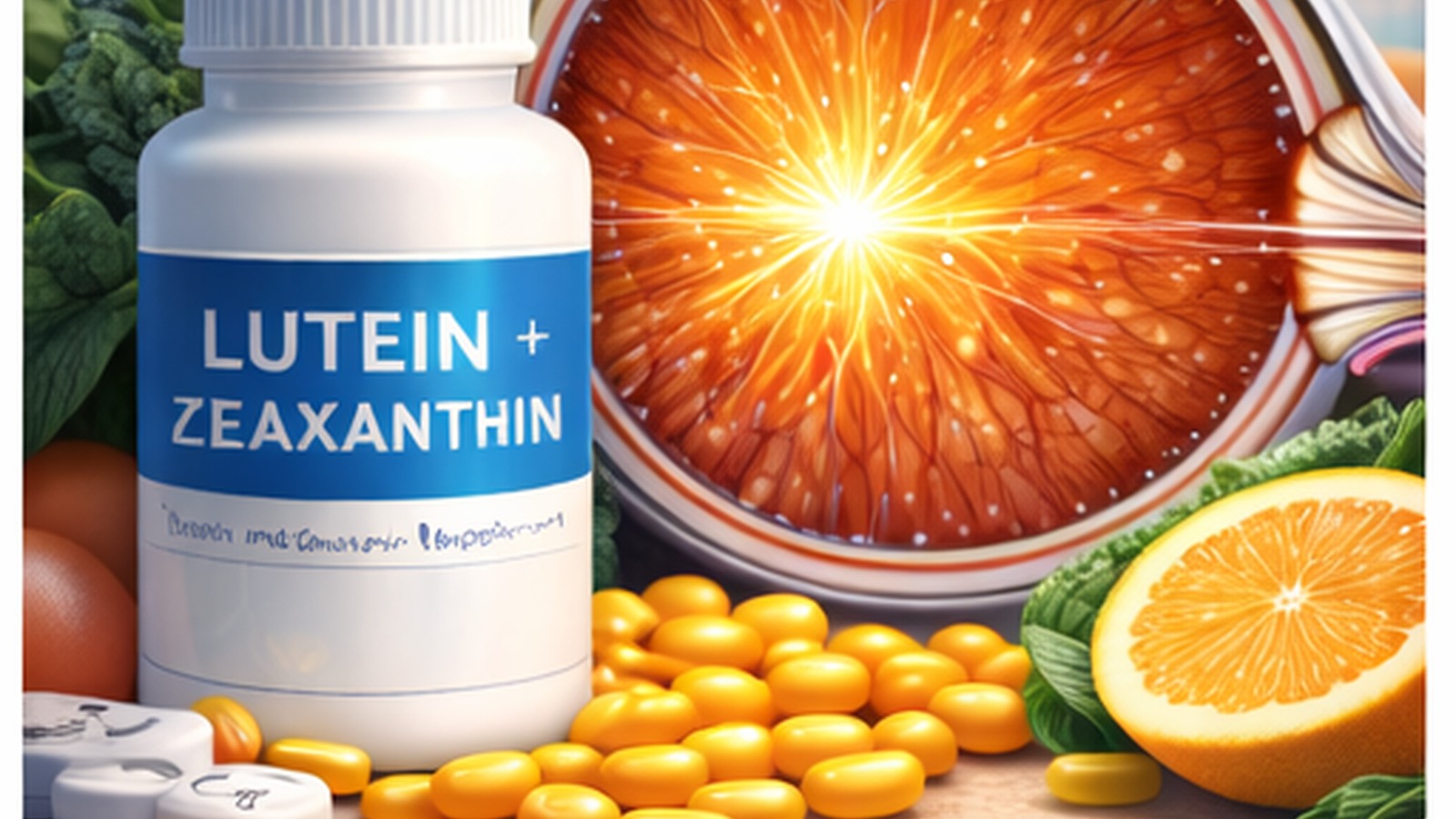
Because they concentrate in the macula — the retina’s detail-vision zone.
Lutein and zeaxanthin are carotenoids that accumulate in the macula. Together they’re often described as “macular pigment.” That pigment is interesting for two reasons: it sits right where high-resolution vision happens, and it interacts with light and oxidative load in tissue that works hard all day.
Filtering, antioxidant roles, and “macular pigment density.”
You’ll see three common mechanism claims:
Macular pigment can absorb some wavelengths of light before they reach sensitive photoreceptors. The marketing version says “blue light protection.” The clinical version asks whether that meaningfully changes risk or function.
The retina has high metabolic activity. Nutrients involved in antioxidant systems are often studied as supportive factors. Supportive is the key word — not “immunity” to disease.
Some discussions focus on “macular pigment optical density.” Even if that metric changes, the clinical question remains: does it translate into meaningful outcomes for patients?
If you want a “myths vs reality” angle on light claims, see Blue light myths.
Stage, risk, and outcomes matter more than ingredient lists.
In practice, lutein/zeaxanthin evidence is most commonly discussed in the context of macular health and AMD risk management. That doesn’t mean everyone should supplement. It means that in specific populations, clinicians may recommend an evidence-based approach rather than a generic “eye vitamin.”
Using supplements as a “performance upgrade” rather than as a risk-management tool in a defined condition.
Dietary pattern beats supplement roulette.
Food sources provide lutein/zeaxanthin along with other nutrients and metabolic benefits. For many people, the most meaningful “eye nutrition” improvements come from overall diet quality, cardiovascular risk reduction, and smoking avoidance — not from chasing one ingredient.
Usually not a feeling. The goal is long-term risk management and stability, measured by monitoring over time.
A short checklist that produces a real answer.
Ask: “Do I have AMD? If yes, what stage?” If you don’t know, start there.
Are you trying to reduce risk of AMD progression? Or are you trying to improve comfort? Those are different plans. Comfort often points to dryness and screen habits, not supplements.
Supplements are weakest when they replace follow-up. They’re strongest when they support a plan that includes monitoring and clear triggers.
If you want the stage-specific supplement discussion, see AREDS2 explained.
Quick answers with real-world framing.
Usually not. Eye strain and fluctuating blur are more often tear film and focusing workload issues. Start with Digital Life and dry eye content.
No. More is not automatically safer or more effective. The right dose and formula depends on the evidence-backed use case.
“Do I have macular changes that make an AREDS2-type strategy appropriate?” That question ties the decision to your actual retina status.